Abstract Mountains: A Craft Fair Design Review
As an experienced embroidery designer preparing for the upcoming weekend craft fair, I spend my evenings evaluating which machine embroidery design assets will translate best from digital files to tangible, sellable goods. Today, I am reviewing a new addition to my portfolio titled Abstract Mountains. The description promises a blend of natural beauty with modern artistry, capturing the spirit of adventure and tranquility. For a handmade product line targeting nature lovers and minimalist enthusiasts, this sounds promising. But does it hold up under the scrutiny of a busy booth table? Let's break down how this design performs in the real world.
First Impressions: Modern Minimalism Meets Nature
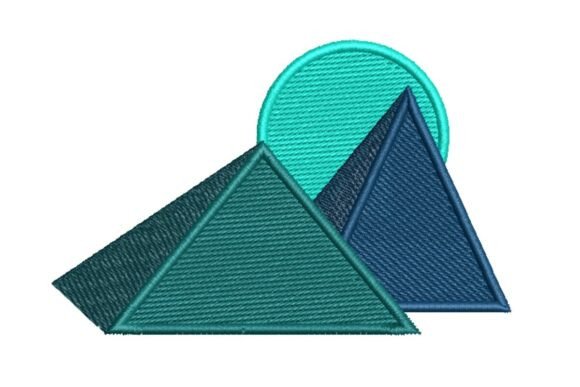
When I first load the embroidery file onto my machine, the visual impact is immediate. Abstract Mountains feels less like a literal landscape and more like a piece of modern wall art rendered in thread. It strikes a balance between rustic charm and contemporary elegance. This is crucial for the current market, where buyers are moving away from overly cluttered, traditional motifs toward cleaner, more sophisticated aesthetics. The design does not feel "cute" or "festive"; instead, it exudes a premium, calm vibe that suggests quality craftsmanship. For an Etsy seller or boutique maker, this aesthetic aligns perfectly with high-end home decor and lifestyle accessories.
The categorization of this design under Cities might seem slightly counterintuitive at first glance given the mountain imagery, but in the context of urban living, it represents the escape many city dwellers crave. It captures the longing for the outdoors while fitting seamlessly into a modern apartment aesthetic. This duality makes it a versatile asset for creative entrepreneurs looking to bridge the gap between nature-themed and urban-minimalist collections.
Product Performance: Where Does It Shine?
To determine the viability of Abstract Mountains as a craft fair product, I need to visualize it on various substrates. My goal is to create a cohesive display that draws customers in and encourages them to touch and feel the texture of the work.
- Tote Bags: This is likely the strongest application. A large-scale version of Abstract Mountains on a sturdy canvas tote bag serves as a bold statement piece. The abstract lines allow the design to scale well without losing definition, making it ideal for a tote bag design that stands out on a crowded table.
- Kitchen Textiles: For tea towel embroidery and aprons, the design works beautifully when placed near the hem or pocket. On an apron embroidery project, the geometric shapes of the mountains add a professional touch to what is often a utilitarian item, elevating it into a giftable piece.
- Patches and Caps: As an embroidered patch, this design offers excellent potential for customization. However, on curved surfaces like caps, the abstraction helps hide any slight distortion caused by the fabric curvature. It maintains its integrity better than detailed, realistic mountain ranges would.
- Pillow Covers and Pouches: On small fabric pouches or pillow covers, the design acts as a focal point. The clean lines ensure that even on smaller items, the essence of the mountain range remains visible and impactful.
For digital sellers offering printable mockups, this design photographs exceptionally well. The contrast between the negative space and the stitched areas creates depth in photos, which is vital for online listings where customers cannot physically inspect the item.
Production Practicality and Batch Efficiency
Success at a craft fair depends heavily on production speed and consistency. Abstract Mountains scores highly here because its geometry simplifies the stitching process. Unlike complex floral designs that require frequent color changes and intricate underlays, this design allows for efficient thread usage. This efficiency is key for commercial embroidery operations aiming to produce a batch of inventory before the weekend market opens.
The design is easy to understand at a glance, which reduces the likelihood of customer confusion about what they are buying. Whether used as a small accent on a pocket or a large focal design on a blanket, the motif retains its identity. This scalability means I can use the same digital embroidery file across multiple product sizes, streamlining my workflow and inventory management.
Visual Appeal and Customer Engagement
In a physical booth setting, lighting and texture play massive roles. Abstract Mountains leverages the interplay of light and shadow created by the stitches. When displayed on a neutral-colored background, the design pops, drawing the eye immediately. This visual strength enhances the perceived value of the finished product, allowing me to price items at a premium compared to generic mass-produced goods.
Furthermore, the theme of "adventure and tranquility" resonates emotionally with buyers. It tells a story, which is essential for handmade goods. Customers aren't just buying a towel; they are buying a reminder of a peaceful hike or a dream of travel. This emotional connection drives buyer engagement and increases the likelihood of a sale.
Designer Notes: Critical Considerations for Success
While Abstract Mountains is a strong contender, there are specific technical considerations to ensure the final result matches the vision. Here are my practical notes for fellow designers and makers:
- Test on Scrap Fabric: Before cutting into your prime inventory, run a test stitch on the exact fabric you plan to use. Abstract designs can sometimes reveal tension issues if the stabilizer isn't matched correctly to the material weight.
- Check Thread Contrast: The design relies on shape rather than fine detail. Ensure your thread colors provide enough contrast against the fabric. On dark fabrics, lighter threads will make the abstract forms stand out, whereas tonal-on-tonal stitching may look too subtle for a quick sale at a fair.
- Review Stitch Density: While the design is generally open, check the denser areas where mountain peaks overlap. If the density is too high, it can cause puckering, especially on thinner materials like tea towels. Adjusting the pull compensation in your software may be necessary.
- Hoop Size Verification: Confirm the hoop size requirements. If you are working with small pouches or cap brims, ensure the design fits comfortably within the hoop without distorting the edges. If the design is too large for a small item, consider scaling it down carefully to avoid pixelation or loss of definition.
- Fabric Texture Matters: Be cautious with highly textured fabrics like thick terry cloth towels. The loops in the fabric can obscure the finer lines of the abstract mountains. A smoother cotton or linen is often a safer bet for maintaining clarity.
- Licensing Check: Always confirm your commercial embroidery licensing terms. If you are selling finished products at a market, ensure your license permits this use. If you are selling the design assets or the embroidery file itself, verify the restrictions on redistribution.
Final Verdict for the Handmade Market
Abstract Mountains is a robust choice for the modern craft fair circuit. It bridges the gap between artistic expression and commercial viability, offering a design that looks professional, sells well, and is practical to produce. By focusing on high-quality substrates like canvas totes and linen tea towels, and paying close attention to thread contrast and stabilizer choice, this design can become a signature piece for your brand.
For the small shop product owner, this design offers a way to elevate their catalog with minimal effort. It speaks to a broad audience—urbanites dreaming of nature, hikers seeking style, and anyone who appreciates clean, modern aesthetics. As I pack my booth samples, I know that Abstract Mountains will be one of the standout pieces that draws people in and keeps them engaged. It is a testament to how a well-crafted machine embroidery design can transform simple fabric into a cherished keepsake.