Makeup Products: A Designer's Real-World Review
As someone who has spent years navigating the delicate balance between digital design and physical thread, I approach every new machine embroidery design with a critical eye. When I first opened the file for Makeup Products, I wasn't just looking at a collection of vectors; I was visualizing how this would translate onto fabric, how it would hold up under the tension of a hoop, and whether it would truly add value to a finished product. The promise here is clear: give your fabrics a charming update with a delightful design that adds a fun and quirky flair. But in the world of professional embroidery, "quicky" can sometimes mean "risky." Let's dive into what this design actually offers for your craft business or personal projects.
First Impressions: Mood and Visual Personality
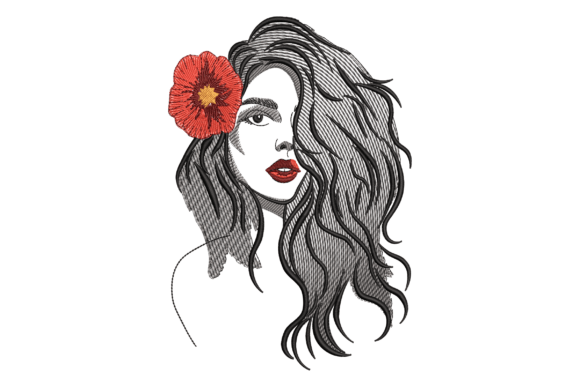
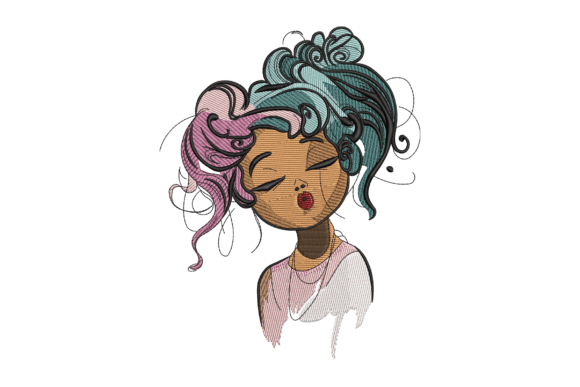
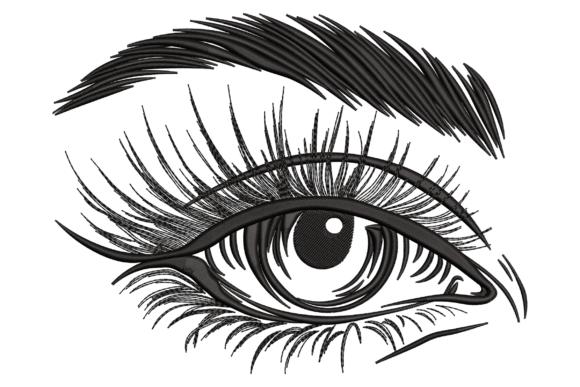
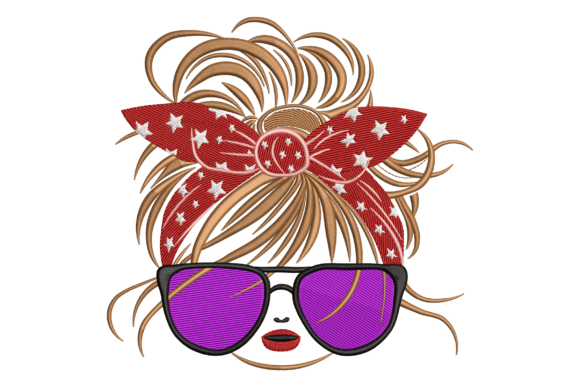
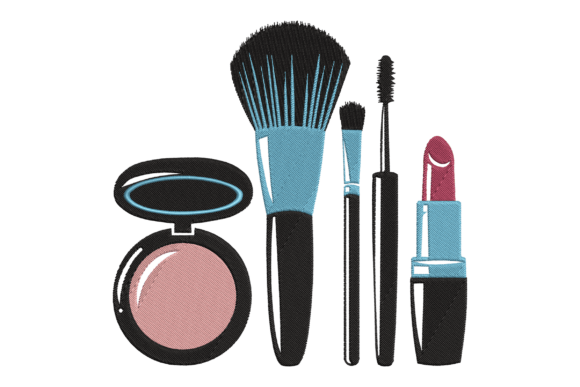
The initial view of the Makeup Products design immediately signals a shift away from serious, corporate aesthetics toward something playful and vibrant. The layout suggests a collection of beauty essentials—perhaps lipsticks, brushes, or compacts—arranged in a way that feels curated yet casual. For an Etsy seller or a boutique owner looking to refresh their inventory, this kind of visual personality is gold. It taps directly into the Beauty category without feeling overly generic.
What stands out most is the potential for color variation. The design seems built to accommodate a wide range of thread colors, allowing you to match specific brand palettes or create seasonal collections. However, as a designer, my immediate thought is about the line weight and detail level. Does the design rely too heavily on fine lines that might get lost on textured fabrics? Or does it use enough fill stitch to ensure the shapes pop against a background? In my experience, designs that work well for both custom apparel and home decor need a certain robustness in their construction.
Testing the Waters: A Real-Life Scenario
To truly understand the utility of Makeup Products, let's imagine a specific project: creating a set of personalized tote bags for a local makeup artist's workshop. This is a common request for small shop owners who want to offer branded merchandise. If I were to use this design on a sturdy cotton canvas tote, the goal would be high visibility and durability. The "fun and quirky flair" mentioned in the description fits perfectly here. Imagine the bag hanging in a salon, instantly recognizable and sparking conversation.
Now, consider a different application: a sweatshirt embroidery piece for a holiday gift. Here, the challenge changes. Sweatshirts are thicker, often have a fuzzy texture, and require a different stabilizer strategy. Would the intricate details of the makeup items survive the stitching process on a fleece surface? Or would they look muddy? This is where the practical judgment comes in. A design like this needs to be tested on scrap fabric first. You must check the stitch density to ensure the fabric doesn't pucker, especially if you are using a dense fill stitch pattern for the lipstick tubes or brush handles.
Where the Design Shines
When used correctly, Makeup Products can elevate several types of handmade goods:
- Tote Bag Design: The bold shapes likely work well on medium-weight canvas, offering a clean look that holds up after washing.
- Embroidered Patch: If the design allows for a border or backing, turning these elements into patches opens up possibilities for hats, jackets, and backpacks.
- Kitchen Towels and Aprons: Adding a touch of beauty-themed whimsy to kitchen linens is a unique niche. A tea towel with a lipstick motif could be a hit as a bridal shower gift.
- Baby Embroidery: While less obvious, a softer, pastel version of this design could work for a nursery theme focused on "little glam," provided the details aren't too sharp.
Navigating Potential Pitfalls
Every embroidery file has its limitations, and being aware of them is what separates a hobbyist from a pro. With Makeup Products, there are a few areas where caution is required.
First, consider small hoop sizes. If the design includes tiny lettering or very fine details on the makeup packaging, shrinking it to fit a 4x4 inch hoop could lead to registration issues. The needle might miss the mark, or the threads might bunch up, ruining the clarity. Always confirm the recommended hoop size before committing to a client order.
Second, think about textured fabrics and stretchy fabric. Materials like jersey knit or heavy denim behave differently than smooth cotton. On a stretchy material, the tension of the embroidery can cause the design to warp. You will need a high-quality stabilizer—likely a cut-away type—to support the stitches. Without it, the charm of the design could turn into a puckered mess.
Finally, be mindful of dark fabric. If you plan to embroider this on a black sweatshirt, you may need to adjust the thread colors significantly to maintain contrast. Some lighter details in the original design might disappear entirely against a dark background unless you add a white underlay or switch to a metallic thread for accent.
Impact on Brand and Customer Perception
For those running a craft business or selling digital product assets, the quality of your embroidery speaks volumes about your professionalism. Using a well-executed design like Makeup Products can boost customer trust. When a buyer receives a personalized gift with crisp, clean stitching, they perceive higher value. It shows attention to detail.
However, if the design is poorly executed due to incorrect settings, it can damage your reputation. That's why testing is non-negotiable. Create a printable mockup to visualize the final look, but always follow up with a physical test. Check the back of the stitching to ensure there are no loose threads or excessive waste. A messy backside can lead to discomfort when worn, which is a quick way to lose a repeat customer.
Practical Designer Notes for Success
If you decide to integrate Makeup Products into your workflow, keep these tips in mind:
- Test on Scrap Fabric: Never skip this step. Stitch it out on the actual fabric you plan to use to check for puckering and thread tension.
- Review Stitch Density: Ensure the fill areas aren't too tight, which can stiffen the fabric, or too loose, which can show the background.
- Check Licensing: Before selling any finished product or the digital embroidery file itself, confirm the licensing terms. Are you allowed to sell items made with this design? Can you resell the file?
- Compare Light and Dark Backgrounds: Test the design on both white and black fabric to see how the colors translate.
- Use Proper Stabilizer: Invest in good stabilizers. They are the unsung heroes of successful commercial embroidery.
Final Thoughts on Utility and Value
In conclusion, Makeup Products offers a versatile and engaging option for designers looking to inject some personality into their work. Its ability to span categories from custom apparel to home decor makes it a valuable asset for a diverse portfolio. Whether you are creating a holiday embroidery item, a unique wedding gift, or stock for your small shop product line, the key lies in execution.
This design is not just about adding a picture to a shirt; it's about understanding how thread interacts with fabric to create a tactile, lasting impression. By taking the time to test, stabilize, and refine your approach, you can ensure that the "charming update" promised by this design becomes a reality. For the creative entrepreneur, it represents another tool in the box to build a brand that feels authentic, high-quality, and distinctly handmade.